voice of the foster care community
Reports and Key Findings
iFoster Research amplifies the foster care community’s voice to drive system change. Since 2021, our Voice of the Foster Care Community initiative has gathered insights from 15,000+ youth, caregivers, and professionals—turning lived experience into evidence and action. Explore and download the reports and findings below to see what the community needs and how it’s shaping policy and practice.
In Their Own Words
2024 Report | Child First Model
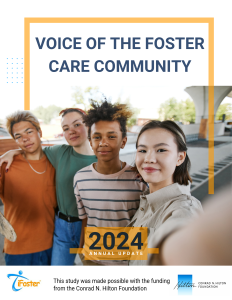 |
After three years of surveys and hearing from over 15,000 members of the foster care community, we have found that the most significant deficits in the current foster care system revolve around the child’s needs not being put first in decision making. To see real improvement, the system must prioritize the holistic well-being of every child in foster care and be held accountable for meeting this standard. We have summarized 5 recommendations to improve the lives and outcomes of young people in foster care. |
2023 Report & Lived Experience Guide
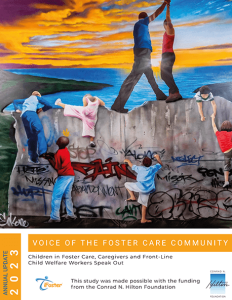 |
2023 Voice of the Foster Care Community Report Over 4,500 youth, caregivers, and frontline workers in the child welfare system share their experiences, their opinions on the issues, and what needs to change to improve child welfare for our most vulnerable children. |
 |
2023 Lived Experience Guide to Fixing Foster Care
The guide is a compilation of the key findings and most frequent recommendations for improving the lives of children in the system from over 6,000 with lived experience. |
2022 Report
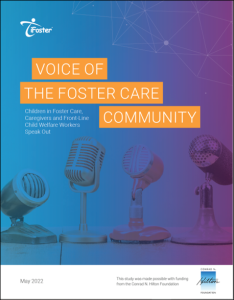 |
2022 Voice of the Foster Care Community Report
Over 2,400 youth, caregivers, and frontline workers in the child welfare system share their experiences, their opinions on the issues, and what needs to change to improve child welfare for our most vulnerable children. |
The Child First Model
After three years of surveys and hearing from over 15,000 members of the foster care community, we have summarized 5 recommendations to improve the lives and outcomes of young people in foster care.
Overview
We have found that the most significant deficits in the current foster care system revolve around the child’s needs not being put first in decision making. To see real improvement, the system must prioritize the holistic well-being of every child in foster care and be held accountable for meeting this standard.
1. Prioritize Child Well-Being
Child welfare should target child well-being above all other outcomes, placing the child’s interests at the forefront of all activities and guiding the interventions and services provided to children and families.
2. Encourage Normalcy
Children in foster care deserve to have a childhood and adolescence filled with meaningful experiences, just like their peers who are not in care. It’s crucial to create an inclusive and supportive environment that encourages normalcy, rather than restricting and limiting activities due to liability and resource scarcity concerns.
3. Assemble a Supportive Team
The support every child receives should be broadened by basing all judicial, case management, child safety, educational, and health decisions on an interdisciplinary team approach. This approach ensures that the child’s perspective is at the center of the decision making, and the team is empowered to ensure decisions are fulfilled. Collaboration and shared responsibility are key.
4. Provide Comprehensive Support for Family Permanency
Child welfare includes more than just foster care, covering prevention as well as support for gradual exits out of care. The system currently lacks timely preventative measures and sufficient post-exit support for biological, kinship, and adoptive families, often leading to instability. A comprehensive approach, offering early intervention and ongoing support, could improve family stability and ensure children’s long-term well-being.
5. Ensure Smooth Progressions into Adulthood
Youth should have access to services to promote their self-sufficiency and assist with their transition into adulthood, regardless of their permanency plan. The youth’s choice should factor into the decision to exit care, including when the exit occurs and the services they need to achieve self-sufficiency before and after leaving.
Comparing the “As Is” Model to the Child First Model
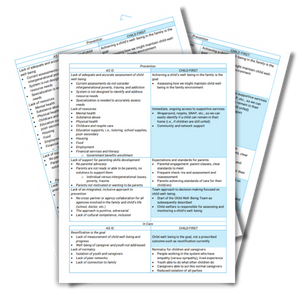
Explore the evolution of thought and vision within the Child First Model by delving into this comparison chart. Here, you will find distinct viewpoints and approaches toward the child welfare system. This comparison provides a comprehensive overview of the shifts in perspectives, the emergence of new ideas, and the emphasis on prioritizing the well-being of children in foster care. Gain valuable insights into the shift from the current system to the proposed Child First Model, examining the key differences and recommendations outlined in these pivotal chapters.
iFoster is a national 501c3
nonprofit organization.
Email: [email protected]
Call or Text: 530-550-8001
© 2026 iFoster
Sign up for our monthly newsletter.
Help support our mission.