Foster Care 101
The Challenge
Young people in the child welfare system are one of the most marginalized communities in the United States. They are being raised in a system that under-invests in their success, isolates them from society, and does not prepare them to be successful when they age out.
- On any given day there are nearly 438,000 children and youth in foster care.
- Nearly 110,000 are eligible to be adopted, yet many wait year after year for their forever home.
- For children in foster care, the government invests less than 50% of what it costs to raise a child.
- Any resource, experience, or opportunity beyond a basic need is not required to be provided.
- Because of the privacy and security needs of children and youth in care, the foster care community is fragmented, and children, youth, and caregivers have very limited opportunities to support and learn from each other.
- Approximately 25,000 youth age out of foster care every year and must be financially and emotionally self-sufficient by as young as 18.


The Results
Given this information, it is not surprising then that within four years of aging out:
- 70% will be on government assistance
- 50% will be unemployed
- 50% will experience homelessness
- 25% will not have completed high school
- Less than 12% will ever earn their college degree
The results of this are $1 million in economic burden to society for each young person we fail, as well as wasted potential in what they could contribute to society if given the right opportunities.
The Child Welfare System
To better understand how we got here, we’ve provided some background information on how the Child Welfare System was formed as well as how it currently operates. Downloadable briefs below each section go into further detail and were all written by youth with lived experience.
What Is the Child Welfare System?
- The U.S. Department of Health & Human Services defines it as a group of services designed to promote the well-being of children by ensuring safety, achieving permanency, and strengthening families.
- The primary responsibility for child welfare services rests with the states, and the federal government supports states through program funding and legislative initiatives.
What Are the Goals of the Child Welfare System?
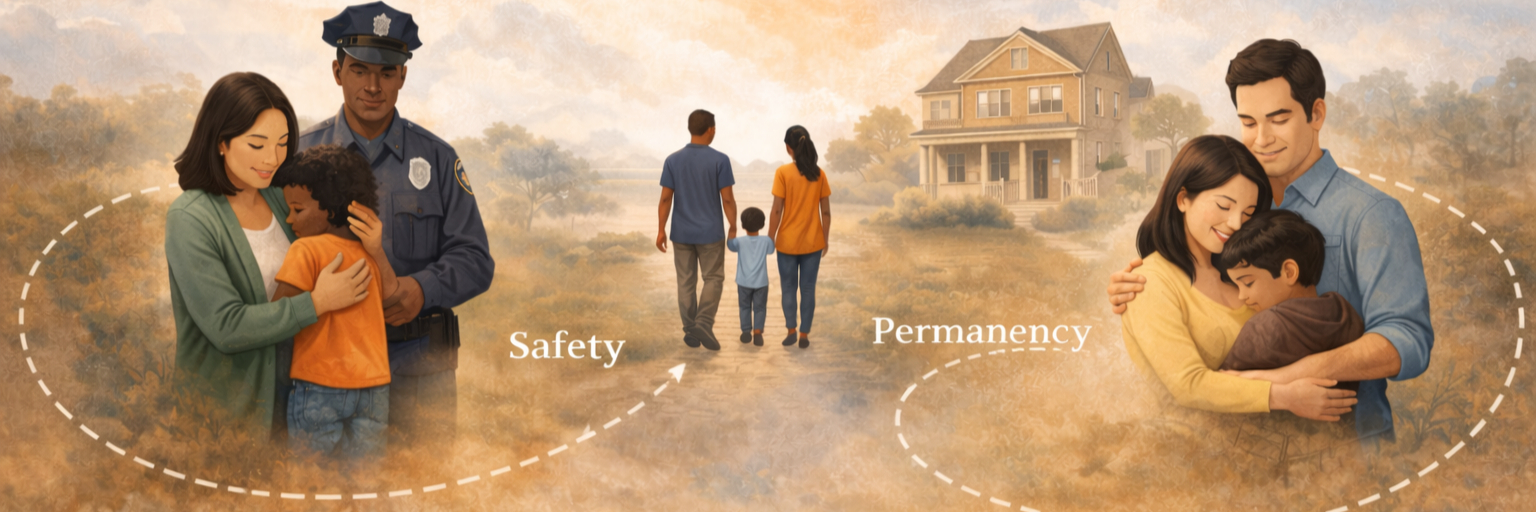
- The primary goals of the child welfare system are to provide safety for children from abuse and neglect by parents or primary caregivers and to achieve permanency for the children who are removed.
- Child welfare agencies use a variety of strategies to achieve permanency by either reunifying children within their families of origin or placing them with other permanent families.
The History of the Child Welfare System
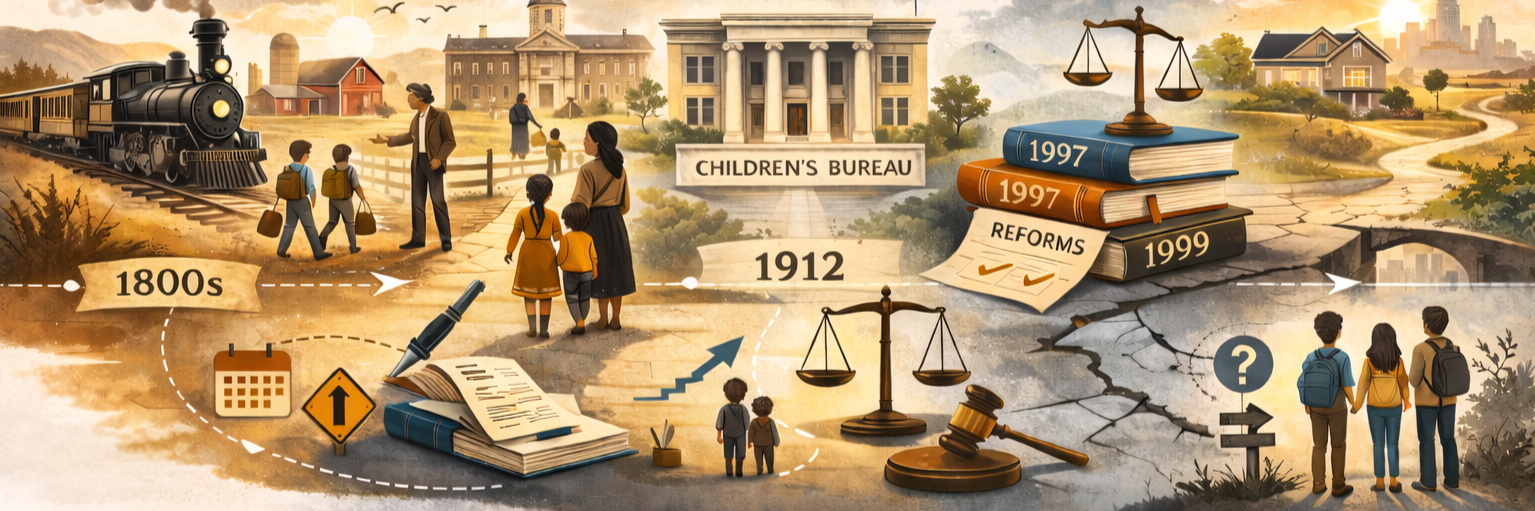
- In the 1800s, the Children’s Aid Society created “orphan trains” to transport children to farms. In contrast, indigenous children were sent to boarding schools.
- 1912 saw the creation of the Children’s Bureau, devoted to the welfare of children.
- The Safe Families and Foster Care Independence Acts were created in 1997 and 1999, both with goals to decrease the number of children in foster care and improve outcomes for youth aging out. However, these goals have yet to be met.
How Is the Child Welfare System Funded?
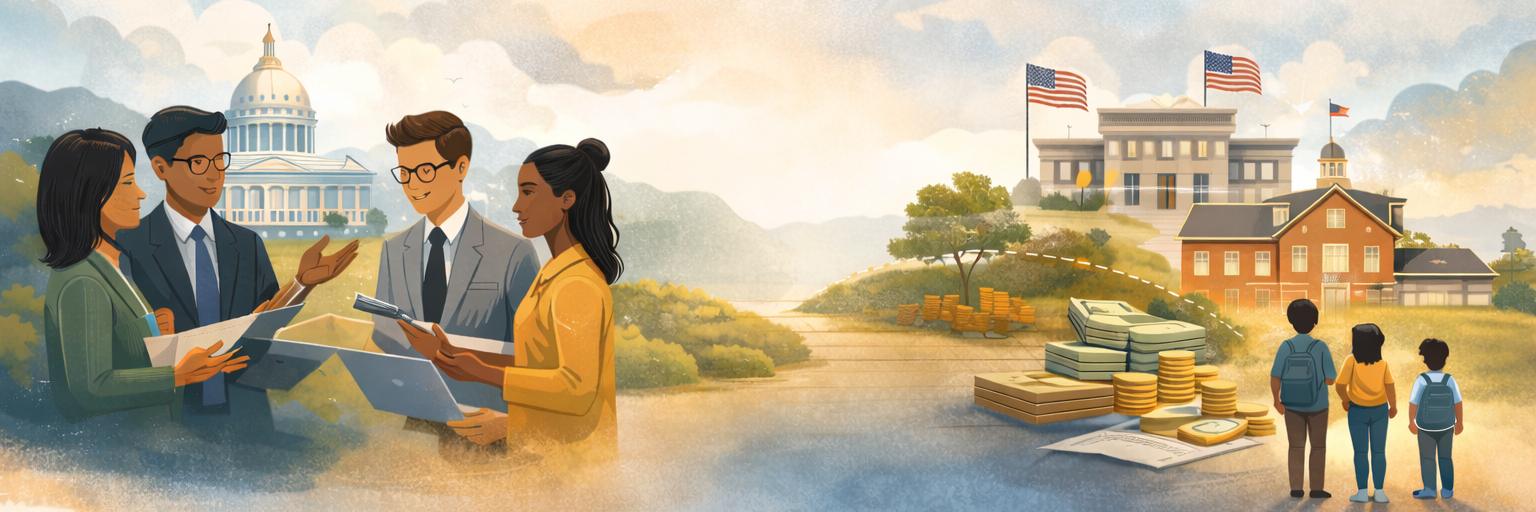
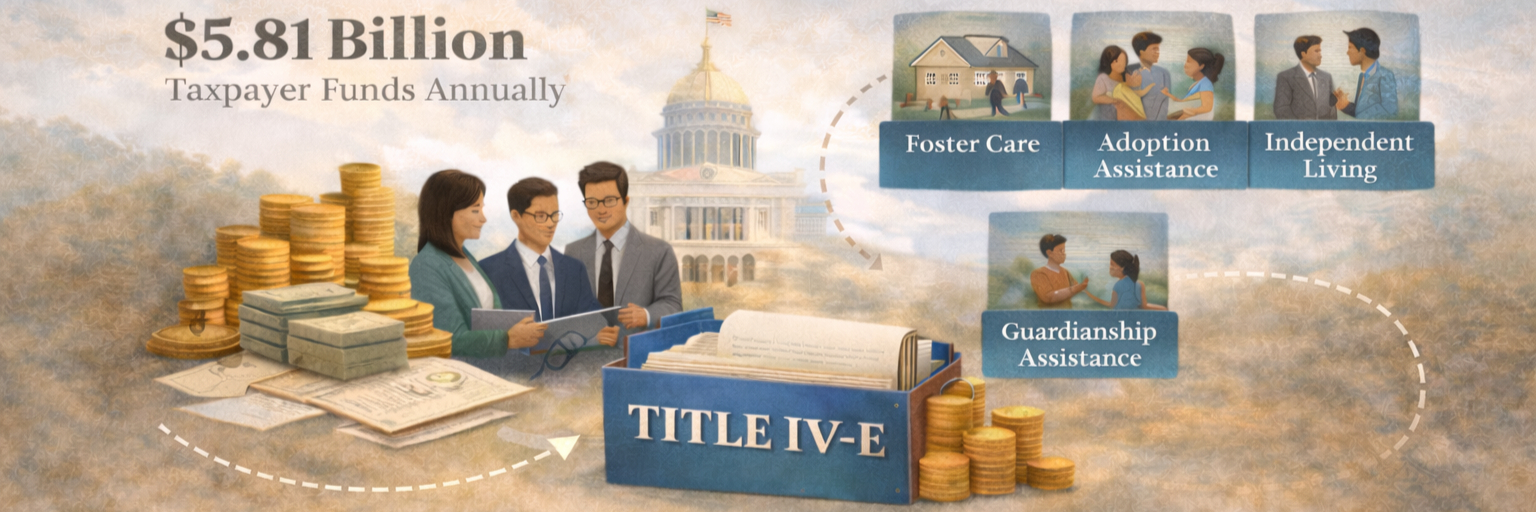
- $5.81 billion of tax-payer funds are used by the Child Welfare System annually.
- The largest federal funding source is Title IV-E of the Social Security Act, which supports foster care, adoption assistance, guardianship assistance programs, and independent living programs.
- As an entitlement, Title IV-E foster care funding is determined by the level of need and number of claims filed by states for reimbursement.
What Are the Outcomes of the Child Welfare System?
- Despite a 5% reduction in foster care cases over the last five years, child welfare’s permanency goal has worsened.
- Time in foster care results in poorer outcomes for children in care than for those who are not.
- By 17-19, while still in foster care, youth face homelessness, education loss, unemployment, incarceration, and grim futures.
- Nearly 25,000 young people are annually aging out of foster care.
- Within four years of aging out, 50% will be unemployed, 50% will have experienced homelessness, and only 8% will have achieved a college degree.

iFoster is a national 501c3
nonprofit organization.
Email: support@ifoster.org
Call or Text: 530-550-8001
© 2026 iFoster
Sign up for our monthly newsletter.
Help support our mission.